What is dry needling?
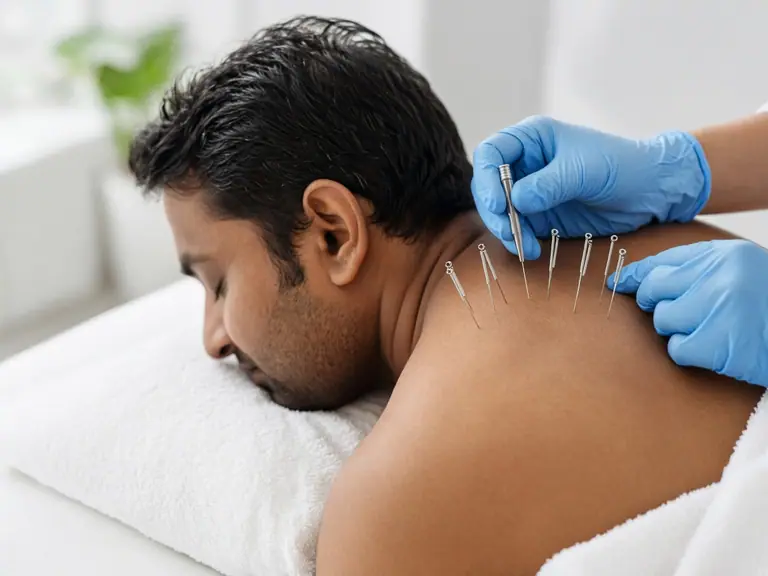
Dry needling uses very fine, sterile, single-use needles to release trigger points, the tight knots in muscle that cause local and referred pain. Releasing them relaxes the muscle, improves blood flow and often gives relief that stretching and massage alone cannot reach.
It works especially well for stubborn neck, shoulder, back and calf tightness, and for athletes who need to recover quickly. Dry needling is always used as part of a wider physiotherapy plan.
Benefits
- Rapid release of deep muscle knots
- Relief from referred and chronic pain
- Improved range of motion
- Faster recovery between training sessions
- Sterile, single-use needles every time
Commonly treated
- Neck and shoulder tightness
- Chronic back pain
- Tennis and golfer's elbow
- Plantar fasciitis and calf pain
- Tension headaches
- Sports muscle strains
What to expect at your visit
- 1
Assessment
History, posture, movement and strength testing to pinpoint the cause.
- 2
Treatment
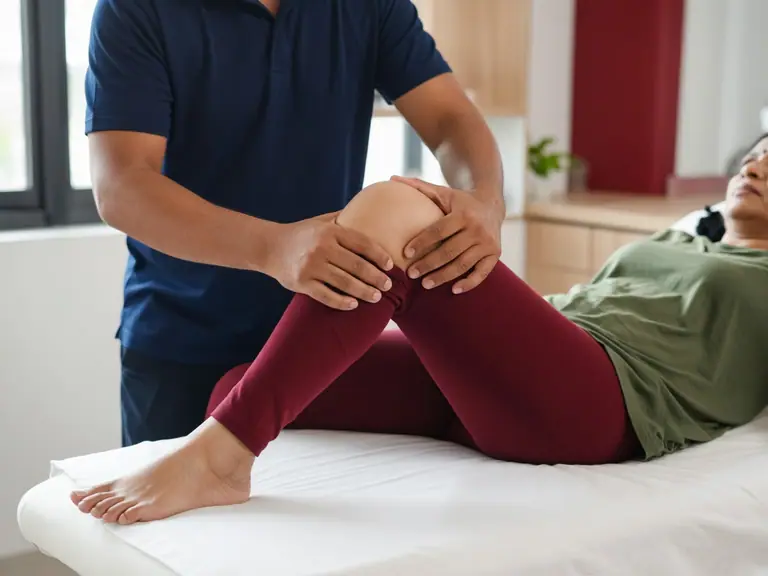
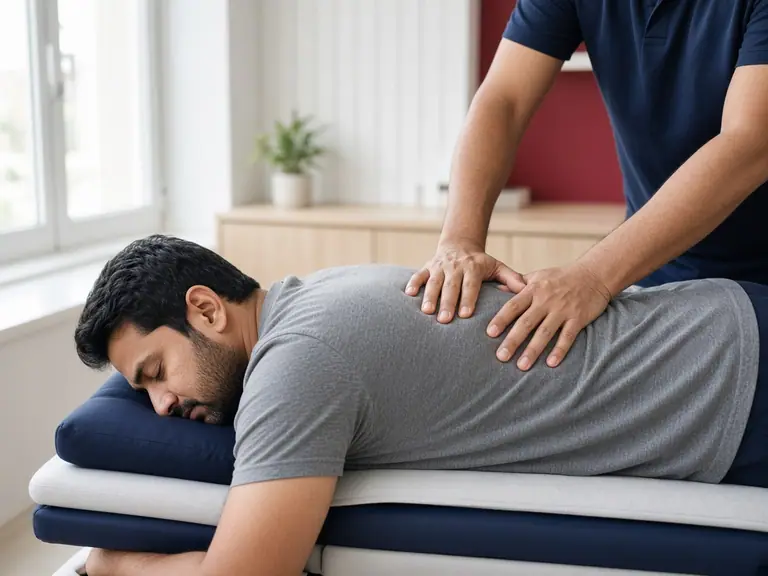
Hands-on therapy and techniques chosen specifically for your problem.
- 3
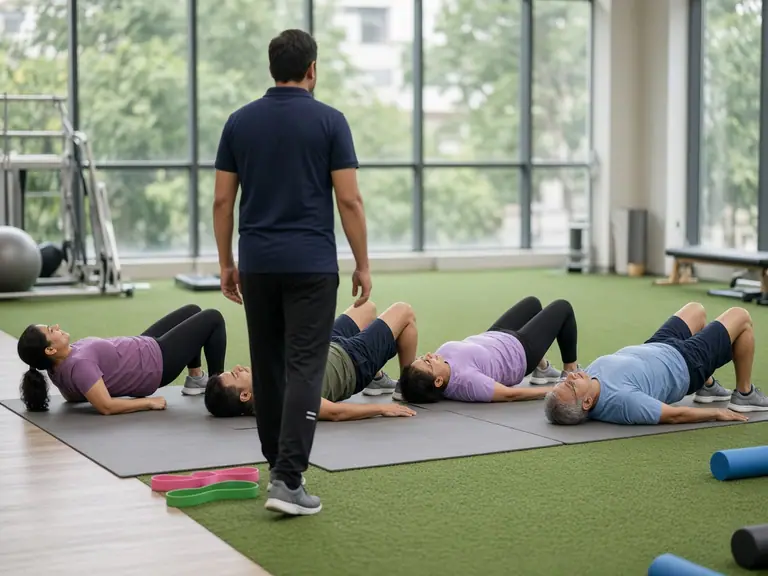
Exercise plan
Simple, targeted exercises so progress continues between sessions.
Dry Needling FAQs
Is dry needling the same as acupuncture?
No. Although both use fine needles, dry needling is based on modern anatomy and targets specific trigger points in muscle to relieve pain and restore movement.
Does dry needling hurt?
The needles are extremely thin. You may feel a brief twitch or ache as the muscle releases, which is a good sign. Mild soreness can last up to a day.
How soon will I feel better?
Many patients feel looser and more mobile immediately after the session, with the full benefit building over the next 24 to 48 hours.